
led light mirror for bathroom
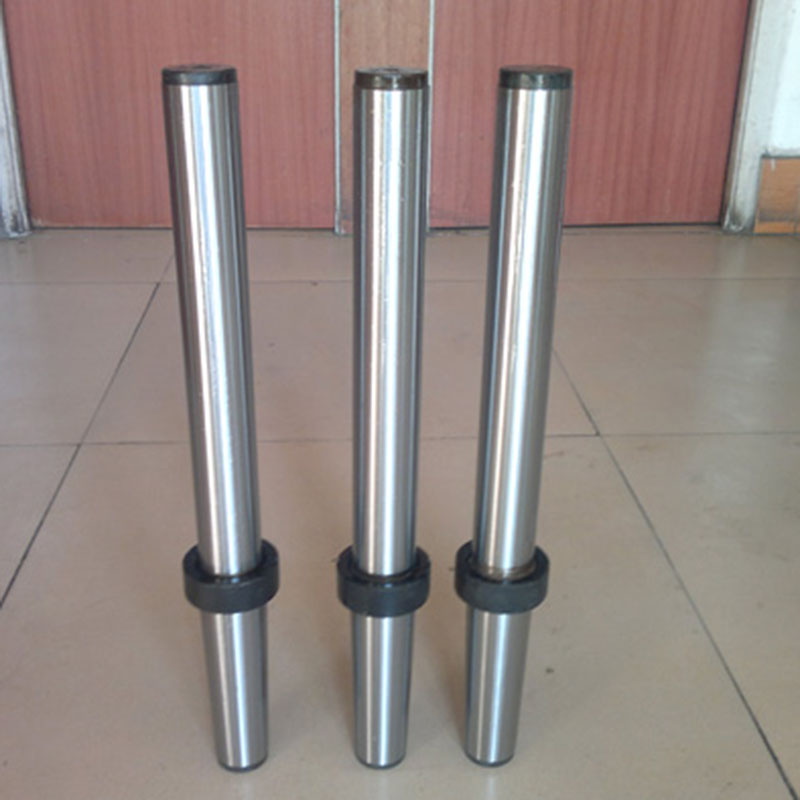
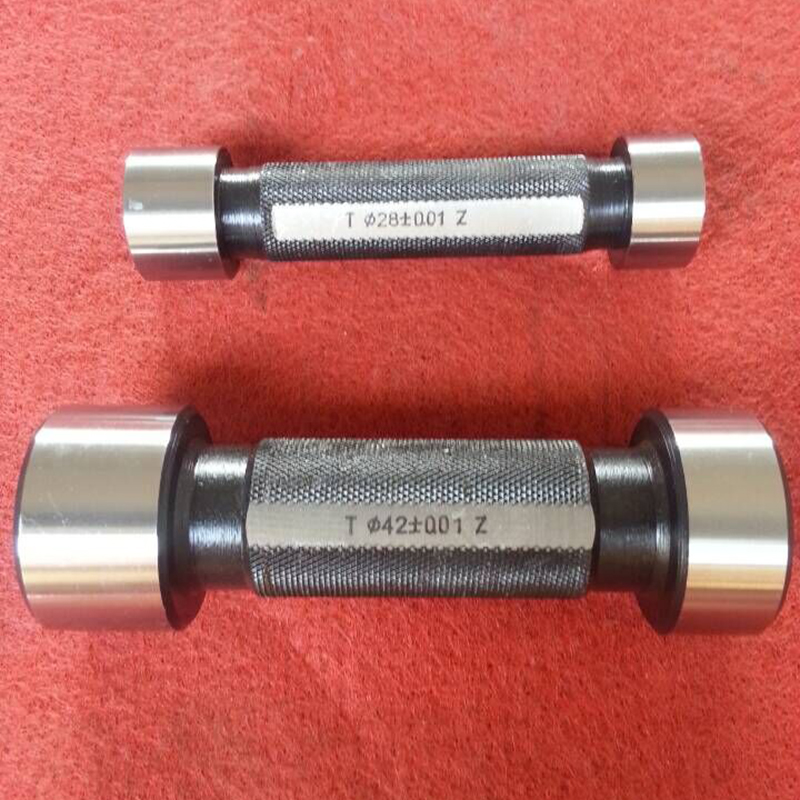
Understanding Standard Pin Gauges Essential Tools in Precision Measurement In the realm of precision engineering, accurate measurement is paramount. One of the essential tools used for this purpose is the standard pin gauge. Pin gauges are widely utilized in various sectors, including manufacturing, quality control, and mechanical engineering, to ensure that components meet stringent tolerances and specifications. In this article, we will explore the significance of standard pin gauges, their design, applications, and best practices for utilization. What is a Standard Pin Gauge? A standard pin gauge is a cylindrical rod, typically made of high-carbon steel or stainless steel, designed to check the size or diameter of holes and slots in various materials. These gauges come in standard sizes, which can be used to determine whether the measurements of a component fall within specified tolerances. Pin gauges are available in both go and no-go variants, allowing users to confirm that a hole is correctly sized. The go gauge should fit into the hole, while the no-go gauge should not. Design and Construction Standard pin gauges feature a simple yet effective design. They are usually formed into a set of rods, each varying in diameter, and are often calibrated to high standards to ensure precision. The ends of these gauges are often ground to a fine finish to provide a clear, accurate measurement. Additionally, some pin gauges might be coated or treated to enhance durability and resistance to wear. The sizes of pin gauges are standardized, with increments in diameter typically available from just a fraction of a millimeter up to several millimeters. This standardization ensures compatibility across different industries and sectors, making it easy for engineers and quality control personnel to communicate and understand specifications. Applications of Standard Pin Gauges Standard pin gauges have a variety of applications across different fields 1. Quality Control In manufacturing environments, pin gauges play a crucial role in quality assurance. They are used to verify that components meet dimensional specifications, helping to ensure that manufactured parts fit together correctly. 2. Assembly Processes During assembly, pin gauges can be employed to check for proper alignment and fitting of parts. This is particularly important in industries such as automotive and aerospace, where precision is critical. standard pin gauge 3. Toolmaking Toolmakers often use pin gauges to ensure that tooling and dies are manufactured to correct specifications. This is essential for ensuring the overall quality of production processes. 4. Calibration Pin gauges can also serve as reference standards used to calibrate other measuring instruments, helping maintain accuracy in various measurement systems. Best Practices for Using Standard Pin Gauges For effective utilization of pin gauges, consider the following best practices - Storage Always store pin gauges in a protective container to prevent damage. Moisture, dust, and other environmental factors can lead to degradation in accuracy and performance. - Cleaning Regularly inspect and clean pin gauges to remove any dirt or contaminants. This will help maintain their precision and extend their lifespan. - Calibration Checks Periodically check the calibration of your pin gauges against known standards to ensure ongoing accuracy. This is particularly important in high-precision environments. - Usage Technique When using a pin gauge, ensure that you insert it gently into the hole without forcing it. Forcing can lead to false readings or damage to both the gauge and the workpiece. - Go/No-Go Concept Always employ the go/no-go approach to facilitate quick and effective assessments of measurement tolerances. This method simplifies the process of determining whether a component is suitable for its intended application. Conclusion Standard pin gauges are indispensable tools in the field of precision measurement. Their simplicity, accuracy, and versatility make them suitable for a wide array of applications across different industries. Understanding how to use these gauges effectively can significantly enhance quality control processes and ensure that manufacturing meets high standards of precision and accuracy. By adhering to best practices for storage, cleaning, and calibration, users can maximize the utility and lifespan of pin gauges, contributing to overall operational efficiency. In a world where precision is crucial, standard pin gauges stand out as a reliable ally in achieving excellence in measurement.
about
led light mirror for bathroom
In the realm of precision manufacturing, where minute tolerances can define the success or failure of a product, the accuracy of measurement tools is non-negotiable. Plug gauges , plug ring gauges , and small hole gauges are indispensable instruments for ensuring dimensional precision, particularly in verifying the internal diameters of components. Calibration of these gauges is a critical process that directly impacts the quality control pipeline. This article delves into the core calibration techniques for these essential tools, exploring their unique requirements and addressing common customer concerns to empower manufacturers with informed decisions. Key Calibration Principles for Plug Gauge Accuracy Plug gauges are designed to check the diameter and form of holes, slots, and other cylindrical features. Their calibration revolves around maintaining strict dimensional accuracy to ensure reliable pass/fail assessments. The first step in calibration involves verifying the gauge's nominal size against a traceable reference standard, such as a master gauge or a coordinate measuring machine (CMM) with proven precision. Temperature control is paramount here, as even slight fluctuations can cause thermal expansion or contraction, affecting measurements. Calibration technicians must also inspect the gauge's surface finish and geometry. A worn or scratched plug gauge can introduce errors, so visual checks and tactile examinations using profilometers are standard practices. Additionally, dimensional stability over time is evaluated through repeated measurements under controlled conditions, ensuring the gauge remains within specified tolerance limits (typically ±0.001mm for high-precision applications). By adhering to these principles, manufacturers can trust their plug gauges to deliver consistent, accurate results in critical quality checks. Ensuring Precision with Plug Ring Gauge Calibration Plug ring gauges , used to inspect the external diameters of shafts and cylindrical parts, demand a slightly different calibration approach due to their ring-shaped design. Calibration begins with verifying the gauge's internal diameter against a master plug gauge of known accuracy. This mutual verification ensures that both plug and ring gauges maintain complementary precision, essential for interchangeable manufacturing. One unique challenge with plug ring gauges is ensuring roundness and straightness. These properties are tested using rotational measurement devices that capture deviations from perfect circularity. Torque application during calibration is another critical factor; excessive force can deform the gauge or introduce measurement bias, while insufficient torque may lead to unstable positioning. Calibration protocols often specify a standardized torque value (e.g., 2-3 N·m) to ensure consistent, repeatable results. By addressing these nuances, manufacturers can uphold the reliability of plug ring gauges in verifying the dimensional integrity of precision-machined components. Mastering Calibration for Small Hole Gauge Applications Small hole gauges present a distinct set of challenges due to their focus on measuring extremely narrow diameters, often in the range of 0.5mm to 10mm. Calibrating these delicate instruments requires specialized equipment, such as optical comparators or high-resolution video microscopes, which can capture measurements with micron-level precision. Given their small size, contamination from dust or oils can significantly impact accuracy, so calibration environments must be strictly controlled for cleanliness. A key technique for small hole gauges is traceable step calibration, where the gauge is tested against a series of progressively sized master holes to validate linearity across its entire measurement range. Contact force is also a critical parameter; excessive pressure during measurement can deform the gauge or the workpiece, leading to false readings. Calibration procedures often specify a minimal contact force (e.g., 0.1-0.5N) and use spring-loaded probes to maintain consistency. By mastering these techniques, manufacturers can overcome the unique challenges of small hole measurement, ensuring precision even in the most intricate components. F AQ s About Precision Gauge Calibration What Are the Key Advantages of Professionally Calibrated Plug Gauges, Plug Ring Gauges, and Small Hole Gauges? Professionally calibrated gauges offer three primary benefits: reliability, compliance, and cost savings. Calibration ensures that your tools meet international standards (e.g., ISO 9001), reducing the risk of faulty parts reaching customers. Reliable measurements also minimize rework and scrap, as early detection of dimensional errors prevents costly downstream issues. For precision manufacturers, investing in regular calibration is a strategic move to uphold product quality and operational efficiency. How Often Should Plug Gauge, Plug Ring Gauge, and Small Hole Gauge Calibration Be Performed? The calibration frequency depends on usage intensity and environmental conditions. As a general guideline, gauges used in high-volume production should be calibrated every 3-6 months, while those in less frequent use may require annual calibration. Signs that calibration is needed include inconsistent measurements, visible wear, or when the gauge has been dropped or exposed to extreme temperatures. Proactive calibration schedules help maintain measurement integrity and avoid unexpected downtime due to tool inaccuracies. Can Small Hole Gauges Be Calibrated for Non-Cylindrical Small Features? Yes, though calibration for non-cylindrical features requires specialized methods. While standard calibration focuses on circular holes, technicians can adapt procedures for slots, keyways, or irregular shapes using custom master fixtures. These fixtures are designed to mimic the geometry of the target features, allowing the small hole gauge to be verified for both dimensional accuracy and form tolerance. This versatility makes small hole gauges a valuable asset in diverse precision manufacturing applications. What Steps Ensure Calibration Traceability for Plug Ring Gauges? Traceability is maintained by using calibration standards traceable to national or international measurement authorities (e.g., NIST, UKAS). Each calibration report should include the reference standard's certification, calibration dates, measured values, and uncertainty margins. Additionally, gauges should be uniquely identified with serial numbers or barcodes, allowing for easy tracking of their calibration history. This documentation is essential for audits and ensures compliance with quality management system requirements. What Makes Small Hole Gauges Ideal for High-Precision Applications? Their ability to measure minute diameters with resolutions up to 0.001mm makes small hole gauges indispensable in industries like medical implant manufacturing. In the precision manufacturing landscape, the reliability of plug gauges , plug ring gauges , and small hole gauges is non-negotiable. By understanding their unique calibration requirements and addressing common concerns, manufacturers can ensure these tools deliver the accuracy needed to produce high-quality components. Regular calibration, performed by experts using traceable methods, is not just a quality control step—it's an investment in the precision, compliance, and long-term success of your manufacturing operations. Trust in calibrated precision, and let your measurements drive your competitive edge.
-

High quality industrial productsagement

High quality industrial products
View Details -

Meet the diverse needs of customers

Meet the diverse needs of customers
View Details -

Strict quality control

Strict quality control
View Details -

Top raw materials

Top raw materials
View Details -

Trusted supplier

Trusted supplier
View Details
Our application


news and information
Versatile Welding Table for Modular Fabrication and Assembly Projects
The Modular Welding Table Enhancing Efficiency in Metal Fabrication Welding is a critical process in

Valvola a saracinesca 1500
Valvole a Sfera 1500 Caratteristiche e Applicazioni Le valvole a sfera sono uno dei componenti fonda
Van nước mở hoặc đóng
Van nước Bật hay Tắt? Trong cuộc sống hàng ngày, van nước đóng vai trò cực kỳ quan trọng. Chúng khôn
 English